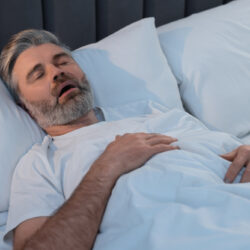
Sleep Apnea and Snoring
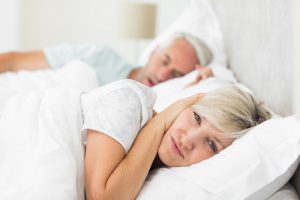 Obstructive Sleep Apnea (OSA) is a sleep disorder characterized by loud snoring and dangerous pauses in breathing. Untreated sleep apnea can cause serious health risks that spring from prolonged periods of oxygen deprivation and sleep disturbances, which severely stress many systems of the body. If you are experiencing frequent snoring and other symptoms of sleep apnea, we offer several effective treatment options, including custom night guards and oral appliances used to help TMJ Disorder, that can also help open the airways and improve sleep quality.
Quick Facts About Sleep Apnea and Snoring Treatment
- Potential Benefits: Improved airflow and breathing during sleep, better sleep quality, reduced daytime fatigue, and decreased risk of health complications associated with sleep apnea.
- Ideal Candidates: Individuals who snore frequently, experience pauses in breathing during sleep, or wake up feeling tired despite a full night’s rest may be good candidates for treatment.
- Treatment Timeline: Most oral appliance therapies can be completed in as little as two office visits—one for impressions and one for fitting and adjustments.
- Recovery: No downtime is required; patients typically adjust to the appliance within a few nights.
- Care & Maintenance: Clean your oral appliance daily with a soft brush and mild cleanser, and bring it to regular dental check-ups to ensure an optimal fit.
- Obstructive Sleep Apnea Symptoms
- Sleep Apnea and Snoring Treatment Candidates
- Sleep Apnea and Snoring Treatment Benefits
- Additional Sleep Apnea and Snoring FAQs
What Are the Symptoms of Obstructive Sleep Apnea?
In addition to chronic snoring, there can be other signs and symptoms that you may be suffering with obstructive sleep apnea:
- Chronic fatigue during the day
- Pauses in breathing while you sleep
- Awakening with shortness of breath
- Choking or gasping while you sleep
Am I a Candidate for Sleep Apnea and Snoring Treatment?
When considering patients for sleep apnea and snoring treatment, our experienced dentist, Jason Keckley, DMD, looks at a variety of factors and symptoms to determine the best course of action. The first step is a sleep apnea consultation, during which Dr. Keckley will perform a thorough evaluation to reveal whether you may be a good candidate for the treatment options that we offer. If you are not a candidate, then Dr. Keckley may recommend you to a physician who can perform further diagnostic testing and prescribe more intensive sleep apnea treatments if necessary.
What Are the Benefits of Sleep Apnea and Snoring Treatment?
Dr. Keckley has extensive experience in the treatment of snoring and sleep apnea. Both custom night guards and oral appliances are designed to help patients breathe properly while sleeping and offer these significant benefits:
- Relief of soft tissue obstruction to improve airflow through the nasal passages, throat, and mouth
- Improvement in bite (occlusion) and jaw positioning
- Continuous breathing to eliminate interruptions during sleep, increase oxygen levels, and reduce snoring
- Reduction in serious health risks related to sleep apnea, which can include high blood pressure, type 2 diabetes, heart disease, weight gain and, in some cases, sudden cardiac death
- Improvement in overall quality of sleep
If you would like to learn more about treatments for sleep apnea and how they can help reduce risks to your health, we encourage you to contact our office to schedule a consultation with Dr. Keckley.
Additional Frequently Asked Questions About Sleep Apnea and Snoring
What is the difference between sleep apnea and snoring?
While snoring and sleep apnea are often related, they are not the same condition. Snoring is caused by the vibration of soft tissues in the throat when airflow is partially obstructed. Sleep apnea, on the other hand, involves repeated pauses in breathing during sleep, sometimes lasting several seconds, that disrupt oxygen flow and rest. Not everyone who snores has sleep apnea, but loud, chronic snoring is one of the most common warning signs.
How do I know if I have sleep apnea?
Common indicators of sleep apnea include loud snoring, gasping or choking during sleep, morning headaches, dry mouth upon waking, and excessive daytime sleepiness. Some people are unaware of their breathing interruptions until a partner notices them. If you suspect you may have sleep apnea, schedule a consultation with Dr. Keckley. He can evaluate your symptoms and, if necessary, refer you for a sleep study to confirm the diagnosis.
Is snoring always a sign of sleep apnea?
No, snoring can occur independently of sleep apnea. It can be caused by nasal congestion, alcohol consumption, sleeping position, or other factors. However, persistent or particularly loud snoring should not be ignored, as it may signal a more serious airway obstruction. A professional evaluation can determine whether your snoring is benign or linked to a sleep disorder.
How dangerous is sleep apnea?
Sleep apnea is a serious medical condition that can have significant health consequences if left untreated. Chronic oxygen deprivation and poor sleep quality can contribute to high blood pressure, heart disease, stroke, and metabolic disorders. It can also lead to impaired concentration, mood changes, and increased risk of accidents. Fortunately, effective dental and medical treatments can greatly reduce these risks and restore restful, healthy sleep.
Contact Coronado Classic Dentistry
Our team at Coronado Classic Dentistry is happy to answer any questions you may have about sleep apnea and snoring. Contact our office today to speak with a knowledgeable member of our staff and schedule your consultation with Dr. Keckley.